The Affordability of Community Solar: The Math IS Mathing (Clone) (Clone)
Discover how community solar offers immediate savings on energy bills, making renewable energy accessible for everyone, especially those in need.

2 min read
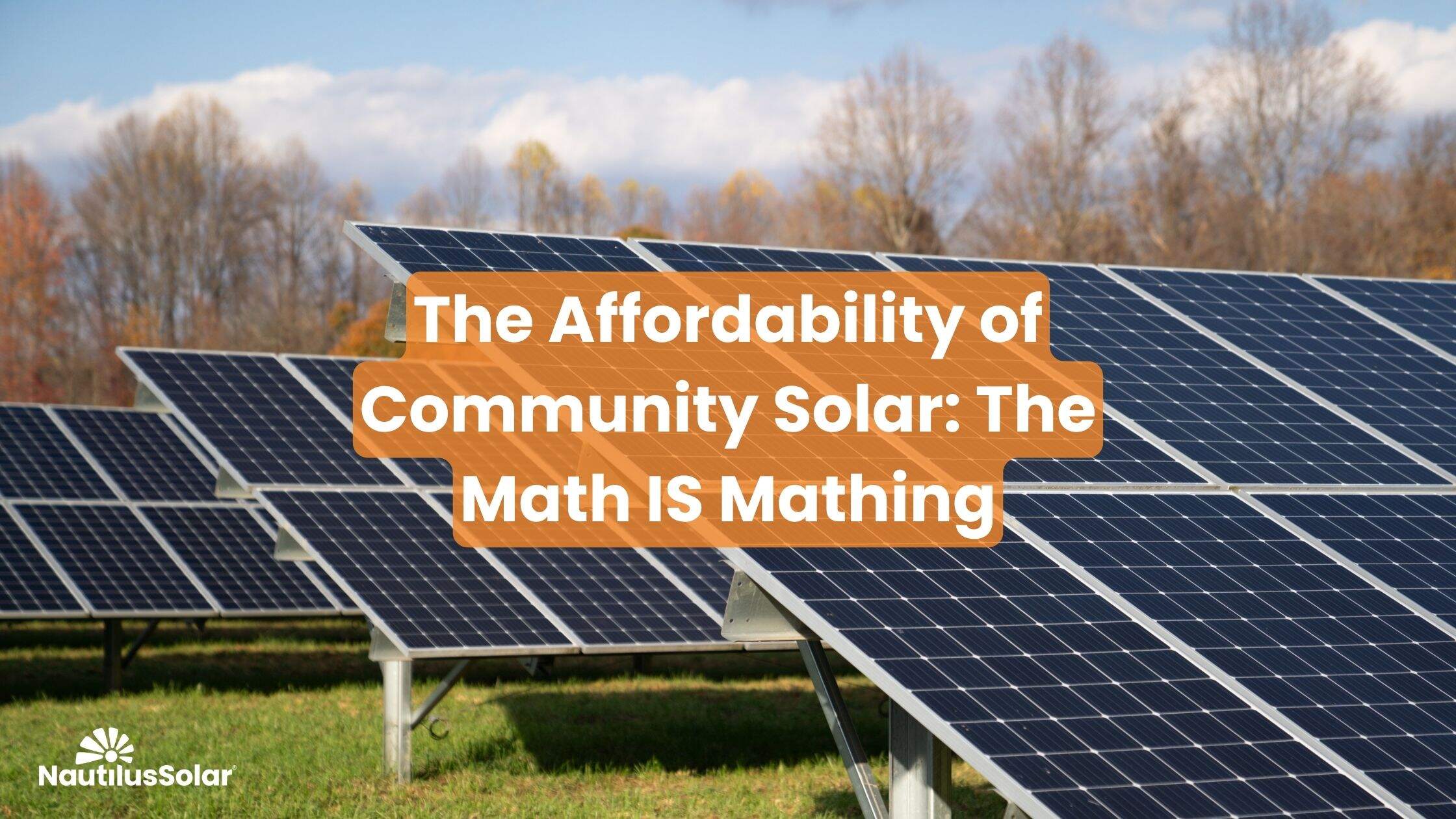
Want solar without the high cost of rooftop panels? Community solar is a simpler, more affordable way to save on your monthly energy bills.
Here’s the basic idea: a customer enrolls in a share of an off-site, 3rd-party solar farm. As the solar farm produces electricity, it pumps energy into the utility grid, and the customer receives solar credits (the monetary value of the energy produced) for their portion that reduces their utility bill. While customers must still pay for the solar credits, they pay a reduced cost. For example, if your portion of the farm generates $100 worth of electricity, you’ll only get billed $90. Discounts vary by state and solar farm operator, but typically range between 5% and 25%.
If you’re like many people, you’re probably asking, “What’s the catch?” Why would a utility company agree to take in energy from a 3rd party and give you a discount? Because it’s the law. Community solar legislation, enacted at the state level, requires utilities to allow for consumer participation in solar farms, thus democratizing clean energy savings and benefits to a greater portion of the population. For example, in New York state, the Public Service Commission authorized the Community Distributed Generation program in 2015 to allow for accessible and equitable solar energy development. Currently, 24 states have legislation that enable or require community solar.
Community Solar Cuts Cost Now
Community solar is cost-effective in both the near- and long-term because it turns local solar generation into direct electricity bill savings without requiring customers to buy or maintain their own solar system.
According to industry estimates, the average cost for installing solar panels on a homeowner’s roof is roughly $15,000 to $30,000. This doesn’t even account for ongoing maintenance costs, and it can take around five years just to break even. After which, the upside is huge, especially considering rising energy costs. While rooftop panels provide great long-term savings, the upfront cost isn’t affordable for everyone. That’s why for the average American, community solar is a no brainer. Sure, 10% off your electricity generation might not sound like much, but as prices rise, consumers need every tool in their tool belt to combat costs. What’s more, savings start now—not in 5 years.
Even though everyone with an electric bill can benefit from community solar savings, there are specific programs that seek to help those with lower incomes. In Illinois, the Illinois Solar for All program gives income-eligible households a deeper discount on their electricity costs, making renewable energy more affordable for the families who need savings the most. After all, these families pay a greater percentage of their monthly income toward utilities.
A No-Nonsense Choice
At the end of the day, community solar just makes sense. It removes the biggest barriers to solar access for the average person. For families facing rising energy costs, community solar is not a novelty; it’s a practical affordability tool.
Ready to Let the Sun Pick Up the Tab?
Expanding access to community solar means expanding access to energy savings. If you’re interested in solar energy but don’t want to make the expensive switch to solar panels, community solar might be worth checking out. With Nautilus Solar, you can check if community solar is available in your state and explore your enrollment options to see how much you could save.

Discover how community solar offers immediate savings on energy bills, making renewable energy accessible for everyone, especially those in need.
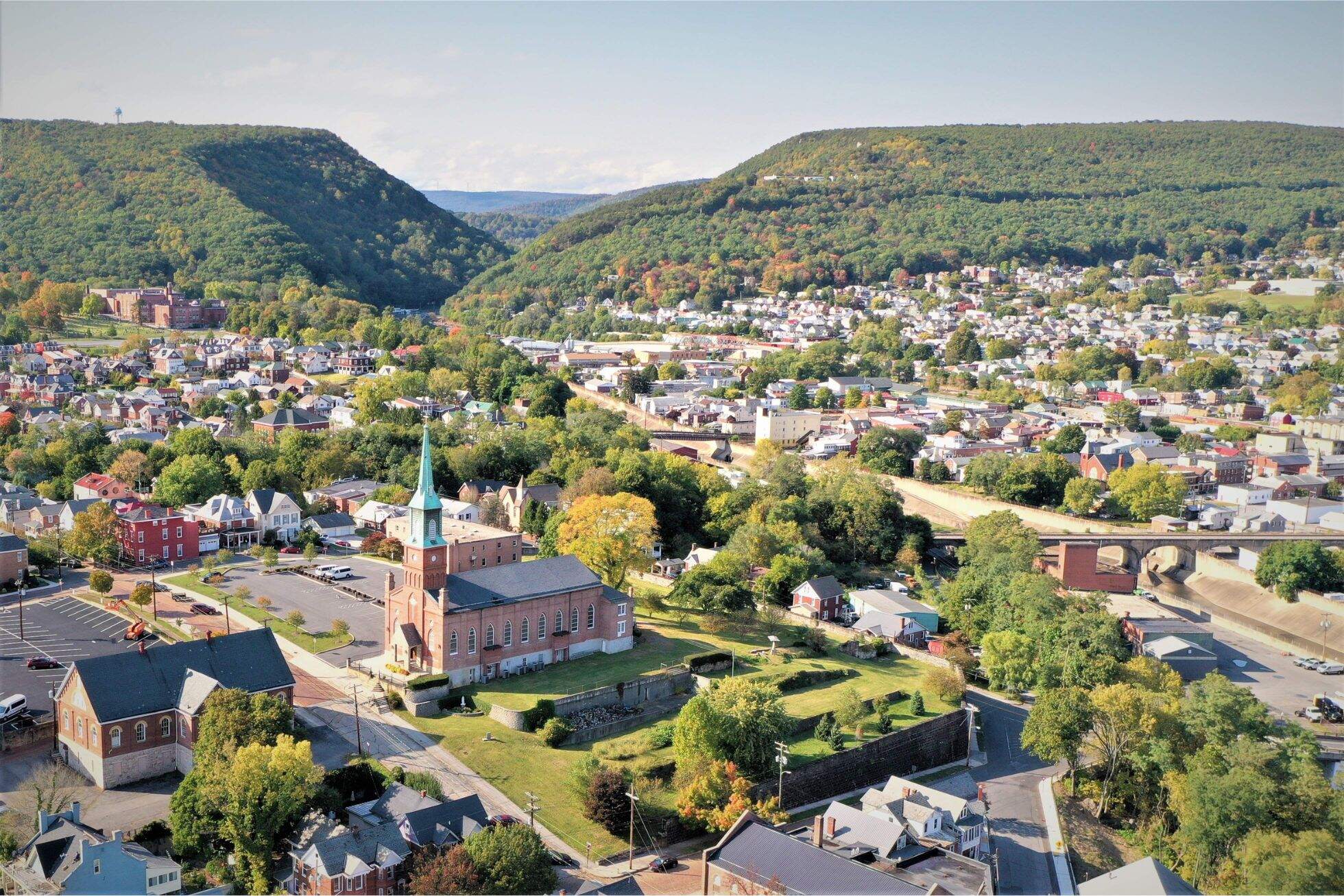
Despite rising energy costs, small businesses and faith communities can still receive 5–20% (or more) off solar energy through community solar...
Despite rising energy costs, small businesses and faith communities can still receive 5–20% (or more) off solar energy through community solar...